
3 October 2025 6
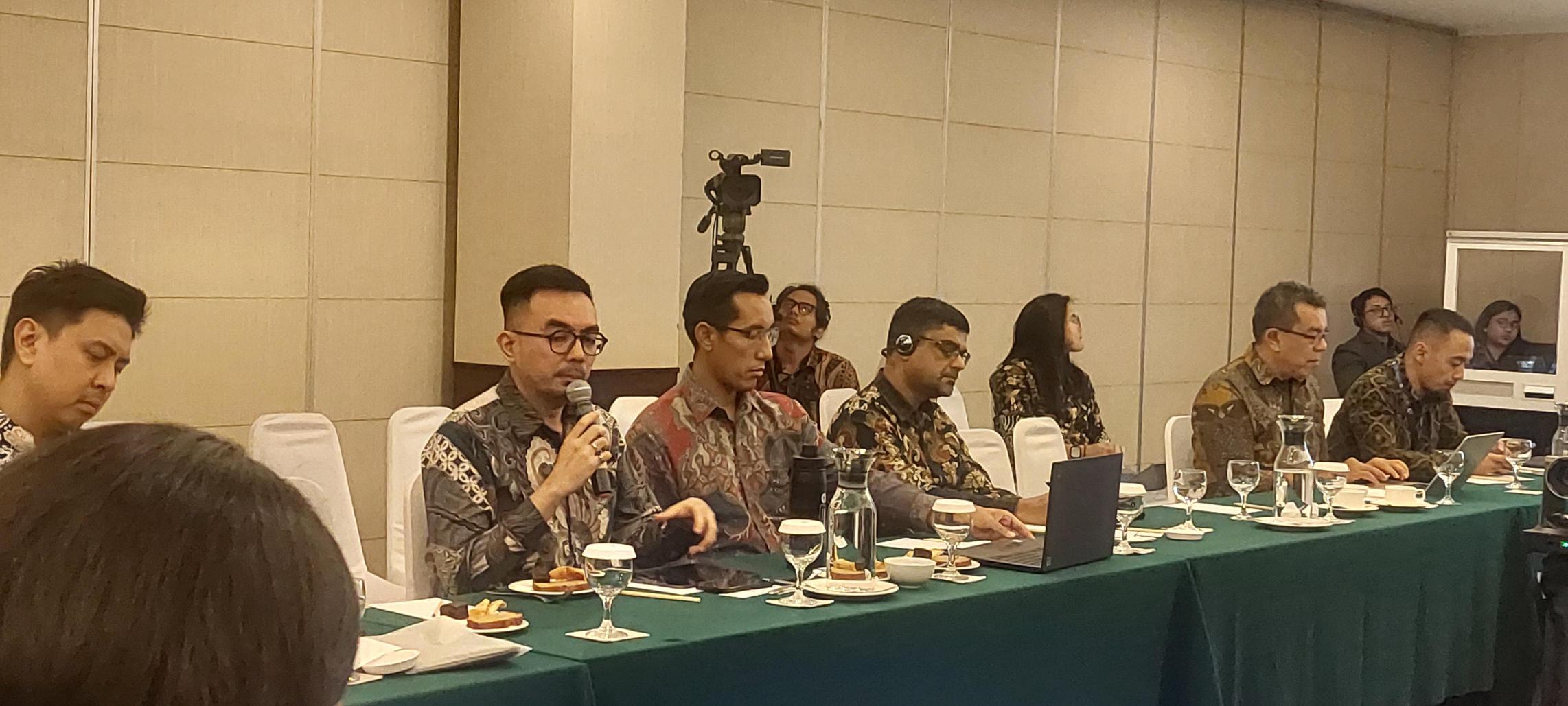
Bali, Indonesia — During Bali Climate Week in August 2025, the Future Cities Infrastructure Programme (FCIP) contributed to discussions on advancing sustainable urban mobility in the province. With traffic congestion, rising vehicle emissions, and mounting tourism pressures threatening Bali’s long-term growth and liveability, the Government of Bali is prioritising greener, more resilient transport solutions.
Through the Bali Policy 2021–2040 and Governor Regulation No. 44/2023 on Integrated Transport Infrastructure, Bali is setting a course to deliver integrated transport services while expanding the use of clean energy from upstream to downstream.
At the event, stakeholders explored the Sustainable Urban Mobility Plans for the Sarbagita and Ulapan regions, including the proposed electric Bus Rapid Transit (eBRT) Sarbagita project. The eBRT initiative seeks to improve accessibility and quality of life in the Sarbagita Metropolitan Area by establishing two mass transit corridors — North–South and East–West. This approach aims to curb worsening congestion, reduce air pollution, and safeguard economic growth.
Discussions brought together a range of partners:
PT Bali Kerthi Development Fund Ventura (BDF), supporting the Kerthi Bali Economic Transformation towards a green and resilient economy.
South Pole, sharing expertise in developing carbon projects, including Bangkok’s certified e-bus transition.
TransJakarta, presenting lessons from scaling up electric buses in Jakarta, demonstrates both cost savings and emission reductions.
World Bank, outlining funding and financing challenges in electrification, from subsidy reliance to operator creditworthiness and loan tenors.
FCIP , represented by Radhiyan Irwansyah, Director of Sustainable Infrastructure Advisory at PwC, introduced the UK’s Foreign, Commonwealth and Development Office (FCDO), MELAJU, and FCIP’s role in supporting project preparation. In its second year, FCIP is delivering technical assistance to strengthen the readiness of priority projects such as the eBRT, while building the capacity of local governments to explore innovative financing solutions.
By convening global expertise and aligning with local priorities, FCIP is helping Bali take practical steps towards a low-carbon, inclusive transport future.